
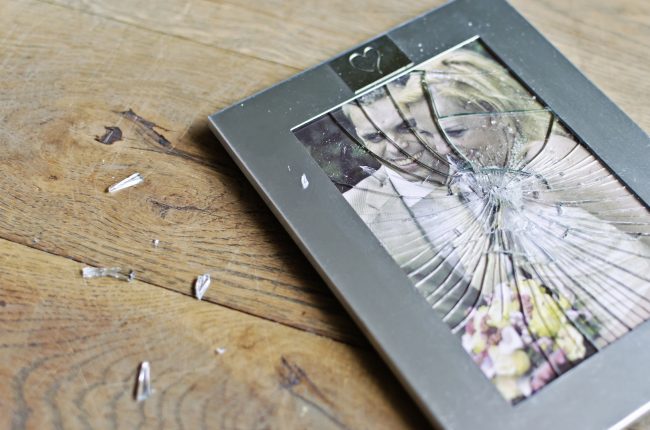
 Each year the lives of women (and men) are altered or destroyed by someone who abuses them. The resulting emotional scars, physical scars, and destruction are evident in social and crime statistics.
Although abuse is significantly under-reported, current crime statistics at least begin to tell the story. The FBI’s Uniform Crime Report routinely lists domestic violence as the leading cause of injury to women ages 15 to 44. These injuries are more than those from car accidents, muggings, and rapes combined.
Abuse may be open, flagrant, and in-your-face. But abuse can also be subtle and devious. It may explode on the scene or gradually creep into a relationship. Although women are the primary victims of abuse, men may be victims, also, of abuse.
One of the first steps in dealing with abuse is to identify it. Identifying it is often difficult because it can manifest itself in different forms. Here is a brief survey of the different types of abuse.
Emotional abuse
This is the use of mental strategies or mind games. This would include such things as anger, aggression, and humiliation. It also includes intimidation, stalking, fear, power, and control. The goal is to inflict emotional damage on the other person.
Physical abuse
This would include the use of body parts or weapons to threaten, punish, or dominate. It can also include restraining, controlling, or injuring another person.
Sexual abuse
It’s the use of forced sexual actions. It’s those, which dominate, manipulate, threaten, injure, corrupt, or control another person.
Social abuse
This involves other forms of abuse to dominate, manipulate or control another person’s social relationships.
Financial abuse
Financial abuse is the use of money or financially-related matters to dominate, threaten or control. This may be done to inflict damage on another person or take financial advantage of that person.
Spiritual abuse
This is the controlling of another person’s religious interests or practices. Spiritual damage may be inflicted by criticizing a person’s religious convictions or misstating them for religious purposes.
Although abuse may take various forms, there are often common elements. For example, there often is the tendency to blame the victim of abuse. A woman may be told to “submit” or “pray harder for her marriage” by a pastor or church members. And often women go back into abusive relationships, leaving many to wonder.
In this article, we will try to provide some answers and perspective on this important issue. (And I might note that we already have articles on the Probe Web site dealing with such issues as verbal abuse and spiritual abuse.)
Types of Abusers
Although abuse and domestic violence are one of the most pressing social problems of our time, most of society (including churches) still view the crisis as a private matter. Abused women are often advised by pastors and members of a congregation to “pray harder” or “try to become a better wife.”
Abuse has not only been ignored by the church but often by the medical profession. In their study of abuse, Evan Stark and Ann Flitcraft found that out of one million women who sought medical treatment for injuries sustained by husbands and boyfriends, doctors correctly identified the injuries as a result of battering only four percent of the time. 1
Frequently child abuse and domestic violence go hand in hand. Men who abuse their wives will often also abuse their children. Research shows that in homes where domestic violence occurs, children are abused at a rate 1500 percent higher than the normal average. 2
Often this abuse begins even before a child is born. One study of 1200 white, Latino, and African-American pregnant women, found that one in six reported physical abuse during pregnancy.3
Research
Researchers now conclude that there are two types of abusers. Neil Jacobson and John Gottman document this in their book, When Men Batter Women.4 Their study of more than 200 couples in dangerous relationships helped shatter myths. Th shed new light on abusive relationships.
They describe two types of batterers: Cobras and Pit Bulls. The Cobras are more severely violent of the two. They strike swiftly and ferociously, always remaining in control and feeling entitled to whatever they want.
Pit Bulls are violent because they are insecure. They are more likely to lose control, letting their emotions burn slowly until they explode in anger.
Jacobson and Gottman intensively studied about 60 of the 200 couples by watching videotapes of non-violent arguments of severe batterers and their spouses. To eliminate some of the subjectivity, they also monitored the vital signs (heart rate, sweat flow) of the couples.
They found that Cobras resemble the snake for which they are named. They become still and focused just before striking their victim. They become internally calm during abuse. While the heart rates of Pit Bulls increase during abuse, the Cobras’ heart rates actually decrease.
Pit Bulls are driven by deep insecurity. They often have an unhealthy dependence on the mates they abuse. They are afraid of losing their wives and therefore try to control them through physical and emotional abuse. Cobras have often been physically or sexually abused themselves (frequently in childhood). tend to see violence as an unavoidable part of life.
Boundaries
Often victims of abuse feel they deserve the abuse they receive. They have been convinced (by their partner or perhaps by society in general) that the abuse is their fault. It is not. To reinforce this claim, here are eight things that no one deserves:5
- No one deserves to be pushed, slapped, bruised, or kicked. There is no excuse, which makes such actions justifiable, whether drugs, alcohol, financial problems or family problems.
- No one deserves to be verbally abused. And no one should be called names or yelled at for no apparent reason.
- No one deserves to have possessions damaged (dishes thrown, clothes torn) or gifts destroyed. These things don’t automatically become “his” just because he paid for them from a joint checking account.
- No one deserves to be interfered with in coming and going. You do not need to be told when you can or cannot leave the house. You do not need to be told when to go shopping, or go to school.
- No one deserves to be followed, harassed, or spied upon. As an adult, you have the right to go where you want. You also have the right to spend time the way you choose.
- No one deserves to be ridiculed, put down, made fun of, or belittled. This applies both at home and in public.
- No one deserves to be emotionally starved. Everyone has emotional needs to love, and to be loved. They need to care and be cared for, to need others and to be needed by others. This involves more than just one person who is demanding your time and attention.
- No one deserves to be isolated. You deserve to have a community of people around you rather than just a spouse who dominates your life.
Each person has rights that should be asserted to prevent abuse from taking place.
Here is a short list of those rights:
- You have the right to be treated with respect. All are created in the image of God (Genesis 2:26-27) and have value and dignity. You deserve respect regardless of your economic status, race, religion, or sex.
- You have the right to be heard. Your ideas and opinions should be freely to expressed.
- You have the right to have a support system. And you shouldn’t have to depend on one person in your life to provide all your emotional needs. This is especially true with who cuts you off from the rest of society.
- You have the right to come and go as you please. You should be able to make choices about what you do with your free time.
- Additionally, you have the right to have privacy and space of your own. You don’t give up those rights when you get married or when you begin to have children.
- You have the right to maintain a separate identity.
Each of these rights are important in establishing boundaries in a relationship. These are key components in preventing abuse.
Myths of Abuse
Let’s turn now to some of the myths of abuse.6
One myth is that victims of abuse come from lower-income families with little education. In reality, victims of domestic violence come from all walks of life. Race, religion, socio-economic background are no predictor of abuse. Victims of abuse may be well-educated or uneducated, professionals or common laborers.
A second myth is that victims stay in abusive relationships because they like being abused. That is simply not true. Many have been conditioned to accept beatings because they are blamed by their abusers. But they do not like being beaten. Many victims actually “accept abuse as common in relationships.”7
So, why don’t victims leave?
The answer to that is often quite complex. Many women believe they cannot leave because “He can’t live without me.” They may fear he will have a nervous breakdown, commit suicide, or lose his job.
She may believe that her children need a father. It’s the rationalization that an abusive father is better than no father at all. And she may think she cannot make it alone in the job market.
Many women fear they will be killed if they leave an abusive relationship. And that fear may be justified. Studies show that battered women are more likely to be killed after leaving an abusive relationship.8
Abuse victims also convince themselves that things are going to get better. Hope springs eternal. There is always the hope that with the right changes and hard work, abuse will go away. Sadly, it does not.
Additionally:
A third myth is that violence happens mostly between strangers. Contrary to popular belief, a woman’s greatest risk of assault is from an intimate partner. Statistics from the Department of Justice indicate that women are attacked seven times more often by offenders with whom they have an intimate relationship than are male victims of violence.9
A fourth myth is that abuse is not a major problem. Domestic violence is one of the most serious health problems today. As we have mentioned, it affects every socioeconomic segment of society. “Federal officials estimate that domestic violence costs U.S. firms $4 billion a year in lower productivity. The cost also includes staff turnover, absenteeism, and excessive use of medical benefits.”10
What the Church Can Do
Domestic violence is pervasive in our society. It crosses all socioeconomic levels, religious belief, and cultural backgrounds. Abuse affects our lives, our homes, and our society. Is there anything the church can do to deal with this important issue? Here are a few suggestions.11
First, pastors and church members should be aware of the extent of the problem.
I have provided some social statistics to demonstrate how pervasive abuse is within our society. It isn’t a problem to be ignored or addressed through simple clichés.
Second, pastors and counselors need to help abuse victims set boundaries in their lives.
Battered women often find it difficult to make choices. This is because someone else has been making decisions for them. Many women who live in violent homes went from their father’s house straight to their abuser’s house. They’ve never had much experience in making their own personal choices.
If you are seeking to help an abuse victim, you should encourage her to make her own decisions. Resist the temptation to rescue and take over her life. She needs to feel empowered not helpless.
At the same time, you can provide suggestions about finding a family counselor or a domestic violence agency.
Third, if you are a pastor, a counselor, or just a caring friend, you can provide counsel and comfort.
She needs to hear from you that she doesn’t deserve to be abused. Acknowledge the seriousness of the situation, and don’t let her convince herself that the abuse will go away.
Fourth, be prepared for crisis intervention.
Quick action may be necessary to protect her and her children. Ask her to describe the circumstances of the last two or three beatings. What preceded his attack (drugs, alcohol, or an argument)? Where is her relationship right now?
A pastor or counselor who receives a crisis call only has a few moments to discern the extent of the threat. They also have to determine appropriate actions that should be taken. Can she find her way to a safe place immediately? Do you have a place for her to go, if necessary?
Sometimes the crisis arrives at your office or home. A pastor, counselor, or caring friend may need to arrange for medical attention and a safe place away from the abuser.
If the couple is separated, she may be stalked by her abuser. She needs to know who can protect her and how to contact legal services.
Fifth, the church should address this important issue of domestic abuse.
By speaking to this issue, we break the silence surrounding abuse. We confront it with biblical principles. The church should hold batterers responsible for their actions. Intervention, confrontation, and tough love should be tools used to fight abuse in our communities.
If the batterer is a member of the church, then Matthew 18 provides a model for confronting “offenders” within the church. Galatians 5:22-25 talks about the fruit of the Spirit. They include kindness, gentleness, and self-control. These and many other verses provide a model for teaching, rebuking, correcting and training in righteousness (2 Tim. 3:16). Christians have an important role in dealing with abuse within our society.
Notes:
1 Evan Stark and Ann Flitcraft, “Medical Therapy as Repression: The Case of the Battered Woman,” Health and Medicine, 1982, 29-32.
2 Maria Roy, “Children in the Crossfire,” Health Communications, 1988.
3 Judith McFarlane, “Abuse During Pregnancy: A Cross-Cultural Study of Frequency and Severity of Injuries,” National Coalition Against Domestic Violence Fact Sheet (Denver, 1994).
4 Neil Jacobson and John Gottman, When Men Batter Women: New Insights into Ending Abusive Relationships (New York: Simon & Schuster, 1998).
5 A more detailed list can be found in Mary Marecek, Breaking Free from Partner Abuse (Buena Park, Calif: Morning Glory Press, 1999).
6 Andrea Lissette and Richard Kraus, Free Yourself from an Abusive Relationship (Alameda, Calif: Hunter House, 2000).
7 Eve Buzawa and Carl Buzawa, Domestic Violence: The Criminal Justice Response (Thousand Oaks, Calif: Sage Publications, 1996).
8 Mary Ann Dutton, “The Dynamics of Domestic Violence: Understanding the Response from Battered Women,” The Florida Bar Journal, October 1994.
9 “Violence Against Women: Estimates from the Redesigned Survey, August 1995,” Report from the U.S. Justice Department (Washington, DC: Bureau of Justice Statistics, 1996).
10 Ibid.
11 Patricia Riddle Gaddis, Battered But Not Broken (Valley Forge, Pa: Judson Press, 1996).
© 2003 Probe Ministries
This document is the sole property of Probe Ministries. It may not be altered or edited in any way. Permission is granted to use in digital or printed form so long as it is circulated without charge. It also must be printed in its entirety. This document may not be repackaged in any form for sale or resale. All reproductions of this document must contain the copyright notice and this Copyright/Limitations notice.
About the Author:
Kerby Anderson is National Director of Probe Ministries International. He received his B.S. from Oregon State University, M.F.S. from Yale University, and M.A. from Georgetown University. He is the author of several books. They include Genetic Engineering, Origin Science, and Living Ethically in the 90s. He also wrote Signs of Warning, Signs of Hope, and Moral Dilemmas. He is a nationally syndicated columnist. His editorials have appeared in the Dallas Morning News, the Miami Herald, the San Jose Mercury, and the Houston Post. He is the host of the “Probe” radio program. Kerby frequently serves as guest host on “Point of View” (USA Radio Network) and “Open Line” (Moody Broadcasting Network).
What is Probe?
Probe Ministries is a non-profit ministry. Its mission is to assist the church in renewing the minds of believers with a Christian world-view. They also equip the church to engage the world for Christ. Probe fulfills this mission through our Mind Games conferences for youth and adults, our 3 1/2 minute daily radio program, and our Web site at Probe.org.






Filed under: Abuse in Marriage
(USA) I filed a pfa. My court date is the 9th of October, 8:30 am. I have picture of scars. The Police station did not give a police report after I asked, said I needed lawyer.
I am a french woman. I met my husband @ 18 years of age, young and naive I did not know so much about everything. My husband abused me emotionally and verbally many, many times. I always felt responsible, guilty and apologized for making him angry.
He started using my Social Security Number (ssn) for little loans that grew into larger ones including a Hummer, two mortgages, line of credit, 5 credit cards on which he was an authorized user until that night when he became violent physically. I was not educated about how personal the ssn was and the consequences that number could have.
He has been paying all debts owed on time until the PFA. Bills are still coming in and I can’t afford all of them on my salary. I am afraid of him not wanting to be honest and fair because I want to divorce. Should I & Can I sell? I need help. I don’t have a lot of money and I fear for the 9th without my police report and his well-paid lawyer fighting to void the PFA. He wants me out the house, help please.
(USA) Hi Francine, I’m sorry to hear of your current situation. My suggestion is that since you are now involved in the legal system (police and courts) and you don’t have very much time until your court date, I would suggest you visit the following website. I think they can help you as they have information on the legal system and abuse.
http://www.focusministries1.org/
One suggestion is to call around and see if you can find a lawyer who might take your case pro bono (no charge). Tell them you have photos of abuse, etc. You might have to call several but there might be one that will take your case.
As far as the mortgages and vehicle – if they are in your SSN and only your name, then you have the legal right to put them up for sale. If the title to the vehicle and the home is in your husband’s name (or both of you) then it will be more difficult. You should call the creditors and tell them your situation and ask to either have your name removed from the loans OR have everything switched into your name (the car and home) and put them up for sale. My inclination would be to have your name taken off and have it only in his name so that he is responsible for the bills and not you.
If your husband wants a divorce, my suggestion would be to remove yourself from everything you can – loans, home, etc. and have that burden be his, if it is possible. I’ve considered separation because my husband is also abusive but if I chose that, my decision was (or would be) to just leave, not plan on taking much of anything and try to stay out of the legal system as much as possible. I wouldn’t want our house because I couldn’t afford it anyway and my peace is worth more than a big house. The more legal action you get involved in, the more complicated it gets.
Here is a verse that might help you:
1 Corinthians 6:7 (King James)
Now therefore there is utterly a fault among you, because ye go to law one with another. Why do ye not rather take wrong? why do ye not rather suffer yourselves to be defrauded?
Amplified Version:
Why, the very fact of your having lawsuits with one another at all is a defect (a defeat, an evidence of positive moral loss for you). Why not rather let yourselves suffer wrong and be deprived of what is your due? Why not rather be cheated (defrauded and robbed)?
This is talking about lawsuits among believers so I don’t know if it applies to your husband or not. If your husband is not a believer then this verse does not apply to you. I do believe that you have done the right thing in going to the police with the abuse. The bible says that love rejoices not in iniquity (abuse is a kind of iniquity) and does rejoice in the truth (you reported the truth to the police). I Cor. 13
I’ve lived in an abusive marriage for more than a decade. My husband does not even realize that it is abusive nor does he want to admit it. I know that I’m to the point where I’m planning on making a decision, soon, on whether to separate or not, but all I want is out. I could care less whether he gives me money for our kids (I can work) or anything else. I simply want peace, and a better life for my kids so that they will grow up with an idea of what a healthy marriage is, not an abusive marriage. So those are my personal thoughts – I have been in your situation and know what it is like and how hard it is. I will pray for you and for God’s strength and guidance for you.
As always – pray for God and his guidance in all your decisions. God bless, LT
(HENRICO) MY NAME IS CINDY AND I AM A MARRIED WOMAN WHO IS BEING ABUSED BY MY HUSBAND’S MOUTH FOR SO MANY YEARS. I KEEP TRYING TO TALK TO HIM BUT THAT DOESN’T DO ANY GOOD. I AM TRYING TELL HIM I NEED RESPECT TOO. WHEN WE GO TO CHURCH HE IS ALWAYS TRYING TO SHOW ME UP IN FRONT OF PEOPLE. I JUST SIT THERE AND SMILE. I FEEL SO HURT INSIDE AND I DON’T KNOW WHAT TO DO. I HAVE A 12 YEAR OLD CHILD AND IF SHE WANTS A PART OF MY LIFE I WILL BE GONE. I NEED SOME HELP TO FIX THIS MESS I’M IN. IF I THINK I HAVE TO KEEP THIS PROBLEM WITH ME ALL OF MY LIFE MY HEAD STARTS TO HURT. I CRY AT NIGHT TO THE LORD AND HE KEEPS ME FROM GOING CRAZY.
(USA) I have placed a another comment on the "Leaving Your Spouse" but I wanted to place the same comment on this site as well. It has been 6 months since I’ve been separated from my abusive husband. We’ve been together for 12 years, married for 3 of those years. We have a beautiful 3 year old daughter. Before we were married, I was told by 2 family members and 2 church members not to marry my husband. But, I was blind sided by love/lust, good looks and charm. I did not listen to them.
The first four years of our courtship, he was so caring and affectionate. He cared for me in so many ways. He cared for my skin (in which I had a bad case of eczema) through his study of homeopathic medicine), my health (informing me on what food is good for me and so forth, and my spirit (advising me on getting "The Book" version of the Bible to help me better understand God’s word). We would have Bible discussion based on the Daily Bread (that he told me about as well). We would spend long nights on the phone talking about any and everything.
But, as I now sit back and analyze the relationship, I notice that he was always controlling. He talked me into getting out of the church choir; he talked me out of going to the Wednesday night Bible study at my church and the Thursday Morning Prayer. This was his way of saying that I needed rest and to be able to spend more time with him. Whenever I made a mistake in doing something or saying something that was “out of term”, he would get highly upset and he would begin to ‘fuss-n-cuss’ as I began to nickname it and he would say things like “if you were in front of me, I would slap you in the mouth.” Whenever he said this I at first didn’t think anything of it, until I actually experienced it.
After we married 3 and a half years ago, the control issues continued to increase, followed by verbal abuse, and then later as the relationship continued, the physical abuse came. There were many days when I didn’t want to come home from work due to him calling throughout the day complaining about something I did or didn’t do and I knew that there was going to be a beating waiting for me. There were many nights I couldn’t sleep; not knowing when he was going to wake me up in the middle of the night to question me about something (with belt in his hand or anything to throw at me).
There were many nights I spent in another room with our daughter because I was afraid to be in his presence. There were many mornings when I was off from work I didn’t want to be, because I didn’t know what kind of mood he would be in. I couldn’t do anything without him knowing about it, I couldn’t talk to his friends or my family without him knowing about it. He wanted to know what was going on in my families’ business, but didn’t want my family to know what was going on in “our family business”.
For example, this past March, I became pregnant, instead of him being happy and pleased, he was upset and angry. In fact he implied that I should get an abortion. You see I told my mom and my twin sister that I was (pregnant), but before I even told my twin that I was pregnant, she was having pregnancy symptoms (we are identical twins and I am the youngest and with each pregnancy I have had, she has experienced the morning sickness and so forth). So when I was in distraught about the abortion I tried to explain to my husband that I wasn’t comfortable, but he convinced me that it was okay as long as the egg has not grown into an embryo yet. But due to my religious background and my discomfort, I procrastinated until I was eight weeks.
The day of the 1st scheduled abortion, I told my sister that I didn’t want to go through with it and I needed support in going home because I had already told him that I couldn’t go through with it and of course he was livid. I wouldn’t have gone back home that day, but he kept our daughter while I was at work. So, naturally I went back to the house.
I made up in my mind to leave, going home only to gather some things and to get our daughter. He was calm and cool at first, but then he and my brother-n-law got into it. My brother-in-law told my sister to call the police. I left with my sister and brother-in-law along with my daughter to their house, but after crying and listening to him on the phone, I was coerced into going back home. We stayed up till about 3am that morning with me having to go to work the next day, talking about the abortion, the visit from my sister and her husband, and the encounter of the police coming to the house.
Though he remained calm that night, I could tell he was going to analyze this whole thing for the next few days and become angry. And sure enough, everyday anger continued to build-up in him about the situation, even after I agreed to the abortion just to make peace with him, he was still upset about the fact that my family came over and disrespected him in his own home and that I “allowed” it and how I needed to fix that problem by having my sister/husband to come over and apologize.
But since my brother-in-law apologized the same day, he felt like he didn’t need to apologize again. So every day after that day in April (including our Anniversary day) my life was HELL!!! He made sure that I paid for that incident and for becoming pregnant (period). Everything made him angry. The day I decided that “enough was enough” is when he got angry with me about “not communicating” in which he says I don’t do enough. But whenever I do, he doesn’t bother to listen, or accept my opinion, so why bother?
On this day he was fussin-cussin and poking me on the head with a BB gun in front of my daughter while she & I were eating dinner. And I will never forget the look and the expression on my daughter’s face when he was doing that. It HURT me SO BAD!!! I told her that Mommy was okay. But the look on her face was full of fear and pain and right then I knew that I had to do something about this.
I did go through the world’s system in order to leave him, because the family way wasn’t going to help (alone). My order of protection was granted on the 15th of December. I have not seen him since that week and he has not seen his daughter in four months, though I have had her to speak to him. Due to our safety, it was advised that he should only see her under supervision. Although, he has been calling me and telling me that he has changed, and that the cause of his behavior was based on DHEA/roid rage. In which he tells me that he had been taking these supplements for fifteen years and that they had been taking a toll more for the last 4 years.
He won’t seek counseling; says that God is his counselor; he won’t leave (my) house to let me & our daughter return back home. He is now saying that he forgives me for leaving him & staying away (even after I know the “TRUTH”). However, I am seeking spiritual counseling, and other support groups to help me get through this.
I have also gone to my pastor. He suggests that God does not allow for anyone to be hurt; physically or emotionally. And that “even so ought husbands also to love their own wives as their own bodies. He that loveth his own wife loveth himself” (Ephesians 5:28). So, here I am now, waiting on an answer from God on where to go from here….
(UNITED STATES) I came to United States two years ago. I tried to restart my life with him. It was very difficult for me as I came from non-English speaking environment. He verbally, emotionally, and physically abused me. He kept saying the doors were always opened and I could leave the house anytime. My heart broke when he said I was useless and it was a mistake to marry me.
I got laid off one year ago. I had no job, no person to care me. I am really depressed.
(USA) Betty, I will pray for you and your daughter, also for your husband to really know the Lord and open his eyes and soften his heart. Betty, the Lord is interested in saving people not abusive marriages. God loves all and you can love afar. It saddens me to hear such cruelness, you have a lot of healing to do. Ask the Lord to help you with this journey. His love is amazing.
I lift you to him and ask that he heal your heart show you direction, to show you all the wonderful things he has in store for you and what all you need to see so that you are sure which path you are to take. I pray that he will guide you through people and give you wisdom to make the right choices in his Jesus name.
Let God deal with your husband. He will have to go through some pain to know that you need to love and that he is to cherish his wife and hold her up to the Lord without blemish. What your husband is doing is not of the Lord. I support you in your critical spirit; you must be safe and secure.
I hope you really reach out and grow in the Lord. This may be a huge revelation for you and what he has for your path. I am excited for that transformation and your blessing, and joy that you will receive when you stand in GOD and the REAL WORD, the Bible. ABOVE ALL IS LOVE!
(USA) I thank you for those words of encouragement. For this has truly been a season for me (spiritually). In fact, shortly after your message. My daugther and I were in a horrific automobile accident, the car was totalled like a balled-up can; my daughter’s forehead was bruised with shattered glass, and my left leg was bruised and sprained.
I really believe that this was my confirmation on my mariage- saying that “the marriage was totaled” and OVER! and that in correlation to the accident and marriage; my daughter and I were “brusied but not broken”. And this has been my testimony ever since. And on the 27th of July, my husband was forced out of the house through a court-order.
Now, he’s been driving by and trying to catch me in route to speak to me and see our daughter. Now, he was ordered by the court to see our daughter through an exchange program, but he prefers not to. He says that this is “man’s law” and not “God’s law”. I’d like to think that I am following God’s guidance on this; so I’m asking for continued strength to help me to stay strong and focus.
(SOUTH AFRICA) In most of the articles I have read on your website about this subject, I have not seen any advice or direction for the Abuser. Are there any articles, websites or organisations that can help an Abuser? Remember the Abuser can be a christian too.
(USA) I have been married for a little over a year now. My husband is the most amazing man I have ever had the pleasure of knowing. He is sweet and thoughtful and works hard to help support the kids and I (he has a daughter and I have my son). My last relationship was emotionally abusive and I thought that God had blessed me with a beautiful new beginning.
So here is my problem. About a month ago my husband and I were having an argument, they are rare but do pop up from time to time. I can’t even remember what started it but by the end he was furious because he felt I was ignoring him and his feelings. He came at me from across the kitchen and grabbed me by the throat and slammed me up against the pantry. I tried to make him let go by pulling at his hands but it made him more angry and he slammed me to the floor. I hit my head so hard I saw lights. He then proceded to choke me with both hands and threaten to kill me for the way that I made him feel. This continued for about 5 minutes (which seems like forever) and it was terrifying. He didn’t even look like himself at all. Then in the middle of everything I watched his expression soften and he let go and wrapped his arms around me. He then asked me what we were doing on the floor and why I was crying. We sat there and talked and I truly believe he doesn’t remember what happened. He held me for a long time and took care of me for the rest of the day. This was the first time he had EVER shown any sign of disrespect, the first time he put his hands on me, it seemed totally out of character for him.
Since this incident things returned to normal and are even better then ever. He is so sweet to me and we have fun and still rarely argue or get upset at one another. He is a great father and we spend a lot of time with the kids as well as romantic time together. He is all I could ever want in a man.
So, things are going well up until two days ago when we had another argument. I had a friend over and he was acting strange so I became upset and told him I was driving her home. When I was driving he called me repeatedly but I was so upset I did not want to talk. I ignored his calls telling myself we would talk about it when I got home. When I returned and walked through the door he immediately shoved me into the recliner. Then for the first time he hit me across the face. Then again and again hitting and kicking and telling me that all he wanted to do was talk and I ignored his feelings (again with his feelings). As he contined to hit me I kept saying I was sorry and to please stop. I told me not to let this bad man hurt me but I could not even see him when I looked in his eyes. Just as before I watched his face go from angry and twisted to soft and sympathetic. Then he dropped to his knees and said “oh my God what have I done?!?” He helped me clean myself up and we sat and talked. He remembered almost everything this time and he cried and cried. My eye was dark purple and black and swollen shut and my nose bled for what seemed like forever. Over the past 24 hours we have talked and he cries almost every time we do saying that he hates himself and he doesn’t know what is wrong with him. He asked me this evening why God made him this way and said he can’t live with himself.
Outside of these two events he is every woman’s dream. He is more then I could ask for and all that I want in life. I am head over heals in love with him and that makes these incidents that much more painful. I need advice on what I should do. Does anyone else have a similar story and can offer some advice? It seems to me he has a dark side that he has little control over. How do you leave a man that treats you so well 98% of the time? Any advice?
(USA) Melissa, What you are going through is one of the most confusing places to be in, because you have the dynamics of the best and the worst that can happen in a marriage. Being abused by your marriage partner — the one you have given your “all” to, is such a betrayal of trust and love! My heart goes out to you. I can only imagine the pain, and it is horrendous. That is no doubt why you are in such a place of confusion. You love and have been loved in wonderful ways by your husband, and you want to stay with the “amazing” man that you know. But the one who shows his “dark side” is one that you want to leave. How do you do that? Can you do that? I don’t know, it will take a lot of strength and reaching outside of your present comfort zone for this to happen.
Melissa, I can’t tell you what to do. You have to pray about this (which I would imagine you are doing). Every situation is different and needs different “medicine.” But I agree with Mia and what she wrote (whose comment is below this one). You will keep walking on eggshells in your marriage for the rest of your lives together unless your husband gets help. Plus, this “dark” behavior will most likely escalate where, very soon, you will end up either hospitalized or you could even lose your life in his hands. I know this is a harsh reality to face, but it’s a very real one from all that we know of the abuse cycle. Your husband might not want to harm you “98%” of the time, but it’s the other 2% of the time that can kill you, not only physically, but emotionally. NOW is the time to get help for him and for you.
Believe me, you can’t be nice enough, you can’t do enough to stay away from his “triggers” or that which “pushes his buttons” to the degree that his “dark side” won’t most likely come out again. This is more about him than you, and how you can change your behavior so he doesn’t hurt you again. There is something deep inside of him that is broken and he needs help to find it and repair it so he doesn’t act out his aggressions on you (or someone else) in the future. This is not ordinary stuff where you can just ignore it hoping it will not come back.
Your husband is crying, asking “why God made him this way,” but really, it isn’t that God made him to abuse you (or anyone else in the future), because He didn’t. Something broke inside of him for some reason. Those kinds of things happen in this fallen world. But God can help you to redeem that which the enemy of our faith means for evil. And just like a bone that is broken and needs to be reset in the right way for it to heal properly, your husband needs to find out where the break happened and how to reset matters so this break doesn’t cause the horrific chain of events to come back out again, so healing CAN occur.
There is a book titled “Angry Man and the Women Who Love Them” by Paul Hegstrom, that I recommend you read. I just finished reading a chapter that talks about the abuse cycle — from the the triggers to the “escalation” to the “explosion” to the “honeymoon” afterward where the abuser is calm and kind and as apologetic and repentant (the other 98% that you referred to) as is possible. There is such a Jekyll-and-Hyde dynamic that goes on within the abuser and the marriage of the abuser. You really need to recognize what you are up against and find a way to get break this cycle or not only will you be in danger of physical harm, but emotional harm.
Please read this book and others that are recommended, and also read through other information on abuse on this web site and the other web sites centering around abuse that we link to. And then pray about who to contact. Please know that most counselors are not skilled in dealing with this type of issue. This is not just about anger management, which most counselors will try to implement. Something is broken that needs to be fixed and most counselors don’t understand the dynamics of the abuser and how they can manipulate the system. Please contact ministries and/or abuse centers that are PRO-MARRIAGE, and yet work with abuse issues. They will most likely, best know when to stay in a marriage and when you need to find safety away from your husband.
This really SHOULD be something that your husband does. If he really wants help, he needs to reach out for it. It’s like what Paul Hegstrom says in his book, “Until he becomes accountable and responsible for his behavior and starts getting help in developing his character and his core, the abuse will not stop.” This is not a time for him to be embarrassed or hesitate to bring things out into the light. He wasn’t embarrassed enough to hurt you, now he needs to swallow his pride to get help so that he doesn’t hurt you again. That doesn’t mean that he or you should tell everyone. That would even make matters worse at this point, I’m sure. Most people are clueless as to the dynamics of an abusive situation. They mean well, but they often can complicate matters all the more. Make sure you reach out to those who are wise in matters such as these.
I need to tell you though, Melissa, if your husband and you keeps these matters in the dark, that’s where infection and even more harmful actions have the opportunity to grow in intensity. If your husband won’t get the help, then PLEASE don’t let that stop YOU from getting the help you need. You can use our web site as a beginning point for your journey to stop this abuse. Right now you have the most hope of getting the help that is needed for you and your husband. Please don’t wait. I pray God will direct you and help you both get beyond this matter, giving you help and hope.
(USA) Cindy I am very touched by the time you put into your response. At this point I am 100% sure that I do not want to leave him. I want to help him. I want to save our marriage and build it stronger.
This Sunday I plan to go to my church and explore all the resources they offer. My church, as most other churches, is Pro-marriage and that is what I need in order to deal with the underlying issues this all has caused me. I was very resentful towards him today and snapped when he was trying to comfort me. I do not want to be that way towards him and it just makes me realize that this has already taken an emotional tole on me. My face still looks horrific and I have banished myself to my home because I just could not handle the judgemental looks from strangers at this point. I think my depression over my current captivity is causing me to lash out. My husband is killing himself over this and I am doing my best to support him but being careful not to justify his actions or use the words “it’s okay” as it is not okay.
I know that something is broken in him but it escapes us both as to what is the source of his violent rage. I know that stress is the most tangible thing I can attribute to it. When he gets stressed his body breaks out in rashes, he passes blood in his urine, and gets headaches to name a few of the physical repercussions… I can’t imagine what happens to his mind!
I just want to say that everyone here has been so wonderful and I thank God that I have a resource like this to assist me in mending my marriage. I thank you ladies so much and I do plan to read the literature that was recommended to me. Anything if it helps!! You are appreciated.
(AUSTRALIA) I remember reading in “The psychological profile of a batterer” by Dutton, a therapist and violence group facilitator, that some of his clients reported amnesia at the point of battering. One of his clients described it as a red sea of rage, where he was so blindly jealous and enraged that he didn’t remember feeling anything and before he knew it, he had drawn blood from his wife.
Dutton’s conclusion from years of researching and working with such men is that it is the combination of childhood experiences, in particular of being shamed by a father and having an ambivalent relationship with his mother, and society’s message that a man is entitled to have needs catered to by a wife, that create abusive behaviour in men. For some men, the deep shame that they carry trigger gross over-reactions.
Other professionals would disagree because only about a third of men who attend such groups were victims of childhood abuse themselves. Many use childhood trauma as excuses for their behaviour and therapy can become another tool for manipulation and control.
Whatever it is, abuse does come in many forms and abusers all have their own ways of establishing control. And since there is usually a cycle, there will normally be a period of remorse and promises to change. And the remorse is normally genuine too. The offender is sorry over the fact that he could have been so unbelievably mean, at having to lose the trust of someone he loves, and for having to live with the consequences. However, unless he takes responsibility to work on the underlying attitude, the behaviour will return because the resentment over perceived injustices (in his distorted way of thinking) finally culminates in an explosion.
In other words, you are right to be concerned. Your trust, the foundation of your relationship, will be eroded and rightly so, since you never know which person you will get – the dangerous, enraged person or the amazing one. It doesn’t matter if the physical abuse happened only once or twice – it doesn’t take much choking to kill, whether that was the intention or not. And the incidences may escalate in frequency – at what point will you decide that enough is enough? If you are like me, you will probably be like the frog in boiling water – your tolerance level increases and what you would not have tolerated in the past gets excused. And what if there isn’t another time because your very life is compromised?
This is not to discount the wonderful person he may be at other times. No-one is “just” an abuser, or is abusive all the time. But the great side of him doesn’t negate the effects of these incidences on you. He still needs to address this behaviour for you to be able to build a relationship with him. Maybe during a good time, when you feel totally safe, bring it up and see if he is willing to put actions to words. If he is, there are mens programs that respectfully challenge them and hold them accountable. If he is reluctant, then regardless of how wonderful he is at other times, the fact that these incidences could occur again will always keep you walking on eggshells and you are not safe. And the longer this goes on, the harder it will be to leave (research Stockholm Syndrome, where the victim has an emotional bond and excuses the behaviour of the one hurting her/him). Just my opinion.
(USA) I value your opinion Mia and thank you very much. Do you have any idea where I would find information on the Men’s groups that you speak of? I was afraid that if he talked to anyone about his demon that he would get in legal trouble, but surely there is someone he can talk to, right? After this last time I found him in the bathroom talking to God and I told him that we are going to start going to church every Sunday because I believe if anyone can help, God can. He agreed whole heartedly and said he will do whatever it takes.
I have this fear that I accept his words as genuine but really I’m being a made a fool and I am like every other victim out there just enabling him and setting myself up for disaster. The first time I viewed it as isolated but now that it has happened again I want us to take action to save our beautiful relationship. Again thank you so much for the information you gave me it is very helpful as I am only 25 and am kinda lost when it comes to this problem. Have a wonderful day ma’am.
(AUSTRALIA) Melissa, I applaud your courage in seeking help now and in trying to understand what you are feeling. I can empathise with what you are going through – you wonder if you are crazy, but in fact what you are going through is normal. I was always wondering if I was enabling my husband and oscillated between feeling guilty if I was and absolutely indignant that I wasn’t – I was simply being “honouring”. I even asked the senior leader in my church if I was, and the answer was “No” but closer friends were warning me I was. I guess in the end, this trapped me into a “blame the victim” game and added to the injury.
The wonderful thing for you is that you live in a place where resources are plentiful. Check out the links on these pages. Paul Hegstrom (“Angry Men and Women Who Love Them”) runs Life Skills seminars – maybe there is one near you. Your husband will not get into any legal trouble unless you press charges. If he tells a counselor, he or she is only mandated to notify child abuse, not what he has done to you.
Calling up a womens shelter or a domestic violence hotline will help you with the emotional support you need (they are trained to help you recognise what is happening without telling you what to do in your specific situation) and they can also direct you to mens intervention groups, where the men are compassionately but honestly challenged about the their behaviour. I know some pastors who have called up my local hotline just to find out confidentially if the signs of a particular troubled marriage was in fact those of domestic violence and sought resources to pass on.
Melissa, you are not alone. “When you go through the deep water, I will be with you. When you go through rivers of difficulty, you will not drown. When you walk through the fire of oppression, you will not be burned up; the flames wil not consume you.” (Isaiah 43:2) God hears your prayers and He will send the right help.
(USA) Mia I have to tell you that I am in tears right now… I am flooded with hope for my marriage and the feeling is amazing! You have answered the questions that weighed so heavy on my mind. I want you to know that I have yet to blame myself for this as I know that no matter what I do not deserve to be physically punished.
Tonight my 4 year old step daughter came home from her mother’s house and saw my face. She was shocked and I told her (and my 6 year old son) that I fell down the steps. She told me that she does not like my eye this way and asked if it will be that way forever. Aww beautiful innocence!
As I said above I am going to start at my church and see what resources I can find for both my husband and I. We do not have much money so I need all the free resources I can find. I am proud of my husband because he seems to be taking a very proactive approach to all of this. He spoke with his boss in an attempt to get every other Sunday off so that we can attend the Sunday sermon together. He wants help he just doesn’t know what kind of help he needs. A closer relationship with God is a great start I think.
With all the inforamtion that I have obtained from you wonderful women I think I have the tools I need to repair my marriage before it is lost. I appreciate your advice and direction from the bottom of my heart, you are both angels that have given me hope in a time of dispair. I pray you know what a good thing you have done in taking time out of your day to help a stranger. You will be in my prayers.
(AUSTRALIA) Melissa, my heart goes out to you. Don’t give up – the road may be rocky, but if your husband is willing to do the hard work, the help IS there. God has given you a beautiful stepdaughter and son too, and may He give you the stength and vision you need. And provision too – I didn’t have any finances, but somehow the Lord provided, through unexpected free therapy, online resources, free outreach services, free legal aid, and an unexpected monetary gift from a relative. And find a reliable friend to support you – you won’t be able to do this alone. God bless you, and many of us will remember your family in prayer.
(BAHAMAS) This man sounds exactly like the man whom I have been abused by, and the funny thing is that he has a curse on him by his …so they will probably stop at nothing. Your soul is more important. If you keep on letting him abuse you, fear creeps inside, the heart of your soul will be gone, you be like the way he left me, in lies.
(SOUTH AFRICA) I am a divorcee whose ex has stolen everything from me using his money to buy fraudulent law against me. I am now homeless with all that goes with it. In South Africa this is not considered abuse. I can’t afford bread never mind, a lawyer to represent me. Do you have any ideas of a way out of this hell?
Dear Enough, I understand what you are talking about in your comment. I know enough about South Africa’s culture to comprehend what you are going through. I’m so very, very sorry and sad for you. This is so unfair and difficult on so many levels. But as much as I would love to help you, I can’t say that we can. We’re a marriage ministry and we just don’t have the resources and strength and God-given wisdom to be able to help those who are divorced, as well as those who are married.
While I totally sympathize and can see that you need help, I think the best thing I can recommend is that you contact the ministry of Focus on the Family – South Africa at http://www.safamily.org.za and also, the ministry of Family Life Today at http://www.familylife.org.za to see if they can refer you to someone to help you. They have more contacts and resources available to help you for these types of issues than we do. I truly hope this helps in some way. May God be your guide and strength and hope in this difficult journey!
I grew up in a Catholic home, strict but loving with parents who did the best they could with what they had. They sacrificed so that my sisters and I would get a good Catholic education. I spent 18 years of my like in Catholic school. And NONE of this prepared me for my failed marriage.
I didn’t get married for many years. I prayed God would send me the one. I grew impatient and thought maybe God wanted me to get off my butt and help myself. So I did and I found a man that seemed like an angel. He was kind and loving. We married in only a few months. Then things changed. The man I dated was gone. This other man who I didn’t know was a terror. He said he owned me and I was to do whatever he wanted whenever he wanted.
First came the verbal and emotional abuse. Everything from you’re a cow to your parents really hate you, they just don’t say it. Then very swiftly the physical abuse started. He was a closet alcoholic and he was also constantly up in the middle of the night looking at porn. He would jump on top of me in the middle of the night and start choking me. He would stop only when he thought he had had enough fun. Then he would force me to do sexual things that were painful and I lost 3 babies to his violence. I was hit and kicked and threatened. He held knives to my neck.
We had 1 surviving child. And he would ask me how I would feel if he threw our baby in the fireplace and he burned to death. He asked me as he had my hair grabbed and pulling my neck backwards if I thought our baby would bounce if he thru him out the window. I tried so hard to fix things. I could not understand what I did wrong. Why did he hate us so much? Then he told me that if I told anyone they would never believe me because everyone knew what a great guy he was.
The one night he had a carving knife in his hand and he came at me saying he was going to cut my and our son into little pieces and throw us where the animals would eat us and we would never be found. I lived in terror absolute terror. He told me how he was going to slice off my breasts, hands and feet. Then he would laugh. I was still confused and terrified this went on for months right after we married. He tried to isolate me from my family. I had no more friends.
Then one drunken night he said he was going to make our baby a man, the little homo, he called him. He was trying to get into our baby’s room I was terrified so I fought him. I mean physically fought him. Cruelty was one thing, danger to our baby was too much. When I could not longer hold him back I ran to call 911. When he realized what I was doing he came after me and yanked the phone from the wall. The police arrived in 2 minutes. They captured him hiding under our shed in the backyard. I clearly heard in my heart ‘you have to take your baby and get out of this before you are killed.’ Divorce was the only option.
He did go to jail for only some of his crimes. He portrayed himself as quite the humble misunderstood husband that would never hurt anyone, in court. I didn’t know what to do anymore. We escaped to my families home. Over time I felt in my heart that I was not to marry again. That would be adultery. And I took that as my shield. Be married to God for marrying another is adultery. This was all 12 years ago. A lot of time has passed. I forgave my ex because I could not continue to hold on to it all. God told me to forgive him. But leaving him was the right thing to do.
Now My ex and I work together in raising our son. He helps support our son as well. He is in a new relationship and I do not wish him any harm. I pray that God help him with his demons. I continue to suffer from PTSD and I pray for God to help me in all aspects of being a good Christian and a good mother. In the last few months I have been drawn very close to God. So I started reading my Bible. I feel like I’m guided thru it. I can only do a little at a time because I get very confused.
But the other night I came across God’s view of divorce and I was devastated. God hates divorce. It is the unforgivable sin. I started to seek out help. Was I reading this right? A few told me I was doomed and no amount of being a good person would get me into heaven. So here is my prayer request. Please pray for my son and me. Help me to find hope. God loves me and he loves my son. But have I really lost any chance of forgiveness? If so what is there to live for? But my heart speaks and says do you really think the God who loves us so would cast you out for something like this? Pray for us. Pray for God’s grace and forgiveness for us. And if on Judgement Day the Lord turns me away I will accept this because I love him so. I continue to teach my son about God’s love and that we need to obey him. I can’t give up on the hope that my son may be able to enter heaven even if I get turned away.
Dear Angela… How my heart cries for you as I re-read what you wrote in response to this article and the situation you are facing… even today. I’m sorry it has taken so long for you to get a response to your comment. In reading what you wrote, I can well imagine that you are suffering from PTSD. I encourage you GREATLY to find a counselor who is good at working a person through that problem –one who has worked with abuse victims. If you don’t know of a counselor, then please go to the web site for Focus on the Family at focusonthefamily.com. Here is a link to the page where you can contact a counselor: http://family.custhelp.com/app/home. They have counselors on staff, and they can at least get you started in answering some of your concerns and also point you to another counselor closer to where you live. They have a GREAT counselor referral service –with counselors listed who have been screened quite extensively.
I hope you will do this… you need it to be able to better go on with your life. You have already come a long, long way in traveling in a healthier direction… I commend you for that. But please don’t underestimate the life long trauma that you will carry with you for the rest of your life if you don’t get the proper help. It’s REALLY important for you to do this.
Also, there is a book that I recommend to you. It’s The Emotionally Destructive Marriage: How to Find Your Voice and Reclaim Your Hope written by Leslie Vernick. I HIGHLY recommend it for you. Also, I recommend you go to her web site at http://leslievernick.com. Even though you were more than emotionally abused, you would have a lot of the same questions she addresses in her book and web site and such. Plus, if you go to the “Links and Recommended Resources” page of the “Abuse in Marriage” topic, on this web site, at: http://host.agencysrvr.com/~marriage/about-us-2/abuse-in-marriage-links-and-resource-descriptions/ you will find several web sites, as well as recommended resources, beyond Leslie’s book. Some of them may answer a lot of your questions.
Yes, God hates divorce, but He also hates violence within marriage. You are NOT “doomed” to Hell because you divorced your husband who treated you so contrary to how God wants a groom to treat his bride. That flies in the face of scripture. The important thing is that you prayed for forgiveness of whatever you have done in your past that was wrong, and you asked Jesus to be your savior –truly sorry for your sins and truly looking to Him to be your Lord. Please don’t let people tell you anything else. They are wrong.
They’re right that “no amount of being good will get you to heaven.” It’s not “being good” that gets you to heaven, but rather the goodness of Jesus Christ, and the sacrifice He made for you and for me on the cross. Accepting the gift He gives of forgiveness and salvation through His sacrifice is what will get you to heaven. God’s grace (His unmerited favor) is extended to you at that point. As the Bible says, “it is through grace you have been saved through faith; and that not of yourselves, it is the gift of God; not as a result of works, so that no one may boast.…” Your divorcing your husband because of his outrageous abuse does not erase that fact and does not send you to Hell. Please, please, please don’t let anyone tell you otherwise.
When you call a counselor at Focus on the Family, please bring this up to them and they will explain more. I hope though, that what I have said will help in some way. Angela, you sound like a beautiful person –one who has the gift of mercy and one who is a great mother. Please don’t let others shame you anymore the way they have. And reach out for further healing, and help to get past the horrible pain you have been living through, and know beyond a shadow of doubt that God loves you. Here’s another article I recommend you read: http://host.agencysrvr.com/~marriage/living-in-confidence-because-of-who-you-are-in-christ/ … you CAN be confident because of who you are in Christ as you look to Him and live for Him. I hope you will… and I pray for you and your son that you will live in the light of His love. You deserve it.
Thank you so much. I have been back in counseling because even the daily news is making me afraid. I hide it all from my boy but I realized I was in trouble. Thank you for responding, bless you. Through Jesus all things are possible!
I think I am in an abusive relationship. For 12 whole years he has abused me emotionally, verbally and physically. The physical abuse is too much. My ear still hurts. He threatens me too much.
Lila, Please go into the “Links and Recommended Resources” at http://host.agencysrvr.com/~marriage/about-us-2/abuse-in-marriage-links-and-resource-descriptions/ posted within this topic on “Abuse in Marriage.” And then look to see if you can find help –someone to talk to about this situation. From what you wrote, you are DEFINITELY in an abusive relationship. You need help to stay safe. Please don’t delay… someday, your life may depend upon it.
WHY DID NO ONE EVER RESPOND TO MY POST?
Dear Angela, I’m so, so sorry that no one answered your comment, particularly when you poured your heart out in telling your story. Please know though, that there aren’t any promises that anyone will get a response… the web site is so very, very busy. It takes a tremendous amount of time to get things done, and we do the best we can. Plus, we are not counselors –we’re marriage educators, and we can only answer some of the comments that are posted. We pray that many others will join in helping us respond to those who need it.
With that said, however, because of the gravity of what you wrote, and also because you obviously want some type of response, I will do my prayerful best to respond to your comment. I will post it as a reply to the one that you originally posted on September 18, 2014. I hope it will help in some way.